walmart private label brands

Walmart is more than just the world’s largest retailer—it’s also one of the most powerful brand owners in global commerce. Over the past decade, Walmart has aggressively expanded its portfolio of private label brands, offering customers affordable, high-quality alternatives to national names across nearly every product category. As we move into 2026, understanding Walmart private label brands has become increasingly important for shoppers, third-party sellers, and ecommerce entrepreneurs alike.

If you sell on Walmart Marketplace—or are planning to—knowing what brands Walmart owns and how its private label strategy works can directly impact your pricing, product selection, and long-term profitability. Walmart’s in-house brands often dominate search visibility, shelf placement, and customer trust, which can influence buying behavior and sales velocity.

In this guide, we’ll walk through the complete Walmart private label brands list for 2026, explain how Walmart private label brands compare to national brands, and explore what this means for marketplace sellers. Whether you’re researching competitors, validating product ideas, or simply curious about Walmart’s brand ecosystem, this up-to-date breakdown will give you the clarity you need to make smarter business decisions.

We provide Walmart automation services and complete done-for-you store setup, helping you streamline operations, manage listings, and maximize profits effortlessly. Let us handle the hard work while you focus on growing your business.

What Are Private Label Brands?

Private label brands are products that are manufactured by third-party producers but sold under a retailer’s own brand name. Instead of selling items created and branded by external companies, retailers like Walmart develop and control their own branded product lines, which are then exclusively available through their stores or marketplaces.

In simple terms, when you buy a product that carries a Walmart-owned brand name, you’re purchasing a private label product—even though Walmart may not manufacture it directly.

How Private Label Brands Work

Here’s how the private label model typically functions:

  • A retailer (such as Walmart) identifies high-demand product categories

  • The retailer partners with manufacturers to produce items to its specifications

  • The retailer controls branding, pricing, packaging, and quality standards

  • Products are sold exclusively through the retailer’s sales channels

This approach allows retailers to offer products that closely match or outperform national brands while maintaining tighter control over costs and margins.

Key Features of Private Label Brands

  • Affordable options: Private label products are usually priced lower than well-known national brands, making them a budget-friendly choice for customers.

  • Exclusive to the retailer: These products are sold only by the retailer that owns the brand and are not available in other stores.

  • Controlled quality: Retailers oversee production directly, which helps them ensure consistent quality and standards.

  • Product customization: Items can be designed to match the specific tastes and expectations of the retailer’s target customers.

  • Higher profit potential: Since intermediaries are eliminated, retailers often earn better profit margins from private label goods.

Overall, private label brands play a key role in retail strategy by helping businesses stand out from competitors, strengthen customer loyalty, and improve profitability.

Walmart Private Label Brands Strategy

Walmart has built a strong strategy around its private label brands by offering good-quality products at affordable prices. Over the years, the company has created more than 315 in-house brands, covering over 30,000 products across more than 20 different categories. By focusing on controlling costs and tailoring products to customer needs, Walmart is able to increase profit margins while also building customer loyalty through items that are only available in its stores.

So, what can sellers learn from Walmart’s strategy?

  • Branding still counts, even at low prices: Walmart shows that you don’t need premium pricing to earn customer trust. Consistent packaging, solid quality, and a recognizable look make a big difference.

  • Create different brands for different customers: Instead of using one brand for all products, Walmart separates its offerings into multiple sub-brands to appeal to specific audiences — a tactic sellers can use too.

  • Let customer data guide growth: Walmart uses shopper insights to decide what products to launch. Sellers can learn from reviews, returns, and search trends to expand in smarter, more targeted ways.

Why Private Label Brands Matter for Walmart Sellers

For Walmart Marketplace sellers, understanding private label brands is critical:

  • Walmart-owned brands often receive priority placement and strong visibility

  • They set benchmark pricing that affects how third-party sellers compete

  • They influence customer expectations around quality and value

Knowing which categories are dominated by Walmart private label brands helps sellers avoid oversaturated niches and identify areas where private sellers can still differentiate through branding, bundling, or premium positioning.

As Walmart continues expanding its private label portfolio in 2026, these in-house brands will play an even bigger role in shaping competition across the marketplace.

A complete breakdown of important Walmart seller events, deadlines, and sales opportunities to plan for in 2026.

Comprehensive List of Walmart Private Label Brands in 2026

Walmart private label brands are extensive and continue to expand. For online sellers, these in-house brands can be seen as both a challenge and a source of ideas. Understanding Walmart’s private label offerings makes it easier to position your own products, set competitive prices, and refine your marketing strategy. Below is a detailed overview of major private label brands by category, along with key takeaways sellers should keep in mind.

Food & Beverages Brands

Walmart’s private label presence in food and beverages is one of the cornerstones of its retail strategy. With a focus on value, variety, and evolving consumer preferences, these brands compete directly with national names while appealing to budget-conscious shoppers and trend-focused buyers alike. Below are the most notable food and beverage private labels Walmart owns in 2026:

Great Value — Everyday Grocery & Pantry Staples
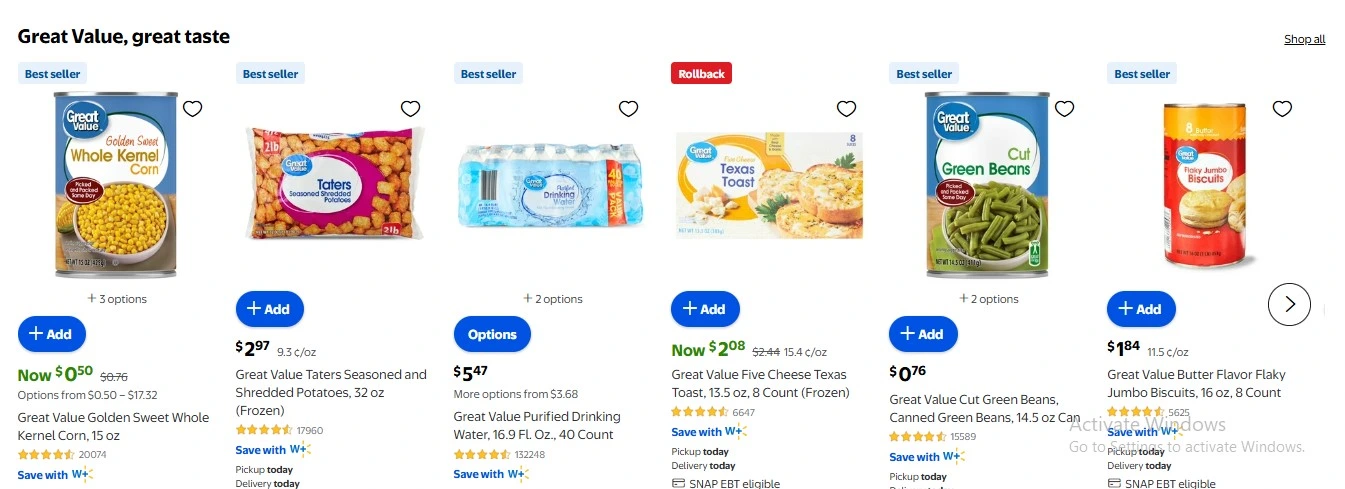
great value walmart private label brand

Great Value is Walmart’s flagship private label food and beverage brand and arguably its most recognizable store brand. Launched in the early 1990s, Great Value now encompasses thousands of products across multiple grocery categories, including pantry staples, frozen foods, dairy, snacks, beverages, baking ingredients, and more.

What Great Value Offers:

  • Frozen vegetables, fruit, and ready meals

  • Boxed cereals, pasta, rice, and baking mixes

  • Dairy products like milk, cheese, and butter

  • Snack foods and beverages

  • Canned goods and condiments

Great Value products are known for their competitive pricing and broad assortment, often positioned directly beside national brands on shelves and in online listings. This makes them a benchmark for Walmart sellers when it comes to pricing strategies and product competitiveness on the Walmart Marketplace.
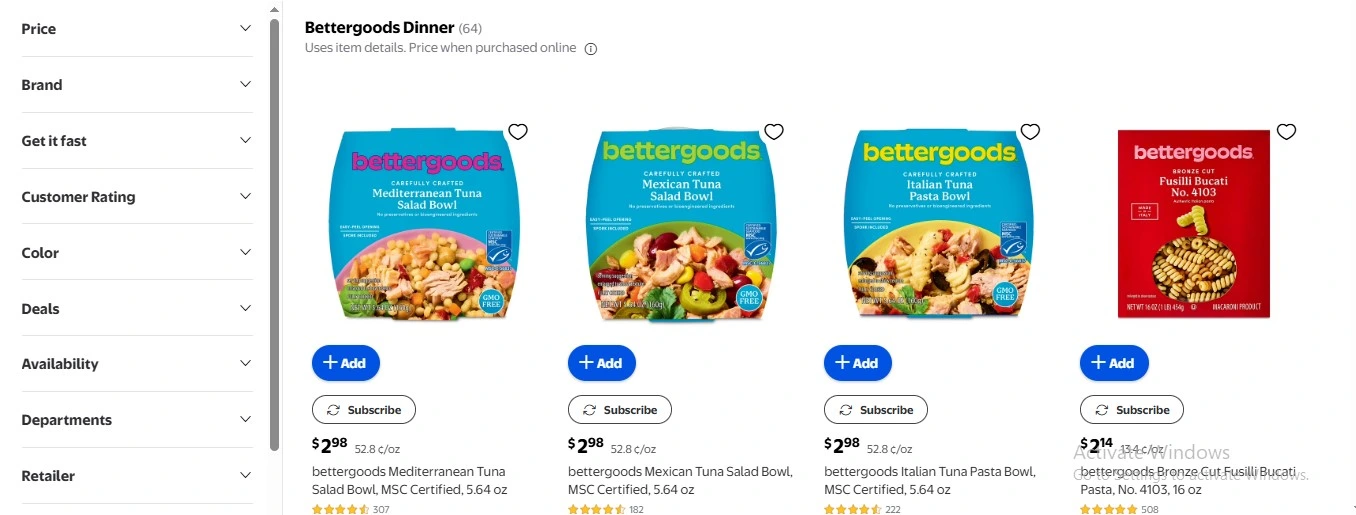
Walmart Bettergoods

Bettergoods Walmart Private Label Brand

Walmart introduced Bettergoods in early 2024, marking its biggest private-label food launch in over 20 years. This premium-style brand focuses on delivering chef-inspired, high-quality foods at accessible prices, with most products costing less than $5.

The Bettergoods lineup includes more than 300 items across categories such as frozen meals, dairy, snacks, drinks, pasta, soups, coffee, and chocolate.

The brand is built around three key themes:

  • Trend-inspired products

  • Plant-based selections

  • “Made without” items, free from artificial flavors, colors, or added sugars

Bettergoods reflects Walmart’s effort to appeal to value-focused millennials and Gen X shoppers who are increasingly drawn to private label options. The launch also highlights Walmart’s ability to quickly scale innovative food products while meeting growing demand for affordable, high-quality choices.

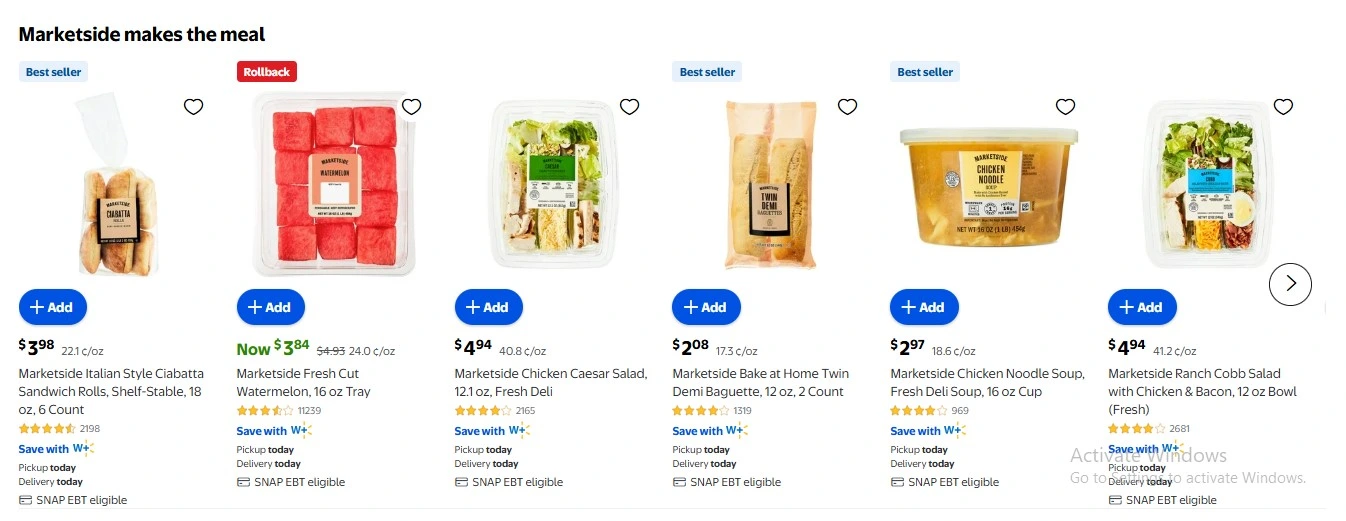
Marketside

Marketside by Walmart

Marketside is Walmart’s fresh food line, focused on deli, bakery, and ready-to-eat items. Unlike shelf-stable pantry products, Marketside targets shoppers looking for quick meal solutions and everyday fresh eating.

Marketside Includes:

  • Fresh soups and salads

  • Bakery items like muffins and breads

  • Prepared meals and sides

  • Rotisserie and specialty deli options

The brand often blends seasonal variety with everyday convenience, making it a staple for in-store grocery shoppers.

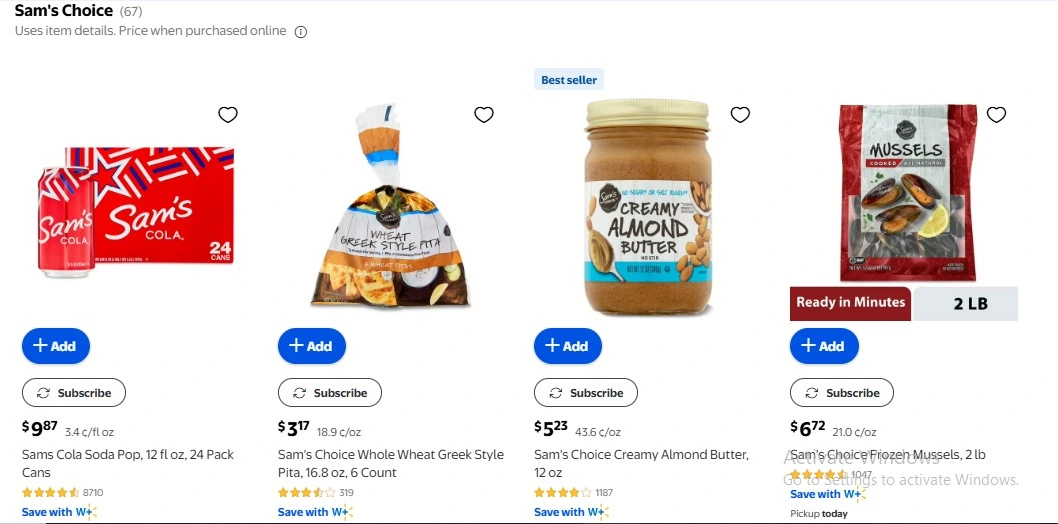
Sam’s Choice

sams choice walmart private label brand

Sam’s Choice is amongst other well-established Walmart private label brands, originally introduced in the 1990s and named after Walmart founder Sam Walton. It traditionally covered beverages and snack categories with a focus on value and broad appeal.

Sam’s Choice Products:

  • Soft drinks and bottled beverages

  • Snack foods

  • Specialty grocery items

While Walmart is evolving many of its food brands (including reformulations in the broader private label lineup), Sam’s Choice remains a recognizable part of Walmart’s history in private label food and beverages.

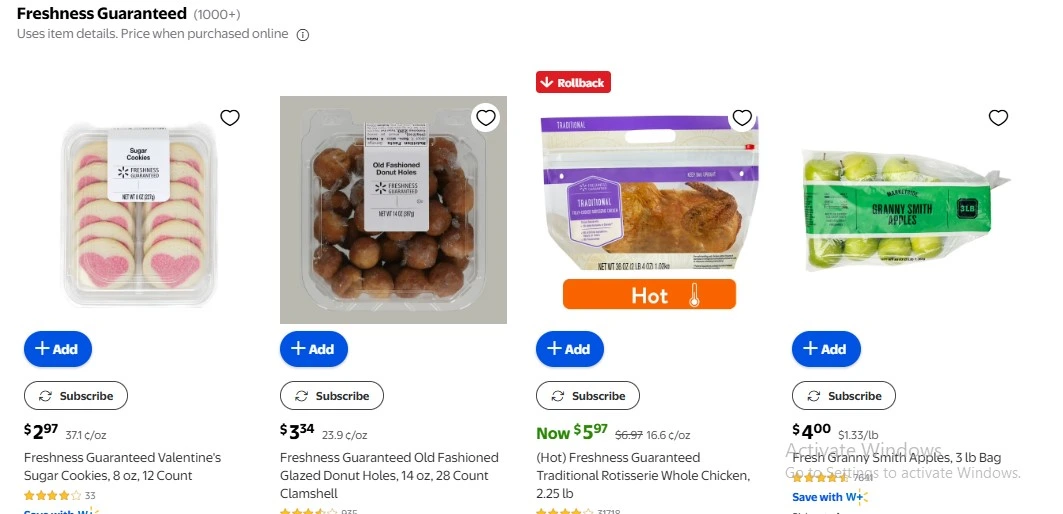
Freshness Guaranteed

Freshness Guaranteed

Freshness Guaranteed is another Walmart food brand often found in bakery cases and seasonal sections. As the name suggests, this label emphasizes freshness, quality, and everyday affordability.

Typical Freshness Guaranteed Items:

  • Baked pastries and desserts

  • Seasonal treats

  • Prepared sides and accompaniments

This brand reinforces Walmart’s ability to offer fresh, daily essentials alongside longer-shelf-life products that fall under Great Value and bettergoods.

An overview of the Walmart Spark Review Program, including how it works and why it matters for sellers.

Apparel & Clothing Brands

Walmart’s private label portfolio in fashion and apparel covers a wide range of shoppers—from trend-focused Gen Z buyers to families seeking affordable everyday wear. These brands help Walmart compete with department stores and online retailers by offering stylish, budget-friendly clothing exclusively at Walmart stores and on Walmart.com.

Here’s a breakdown of the top Walmart private label brands in the fashion and apparel niche you should know in 2026:

Time and Tru
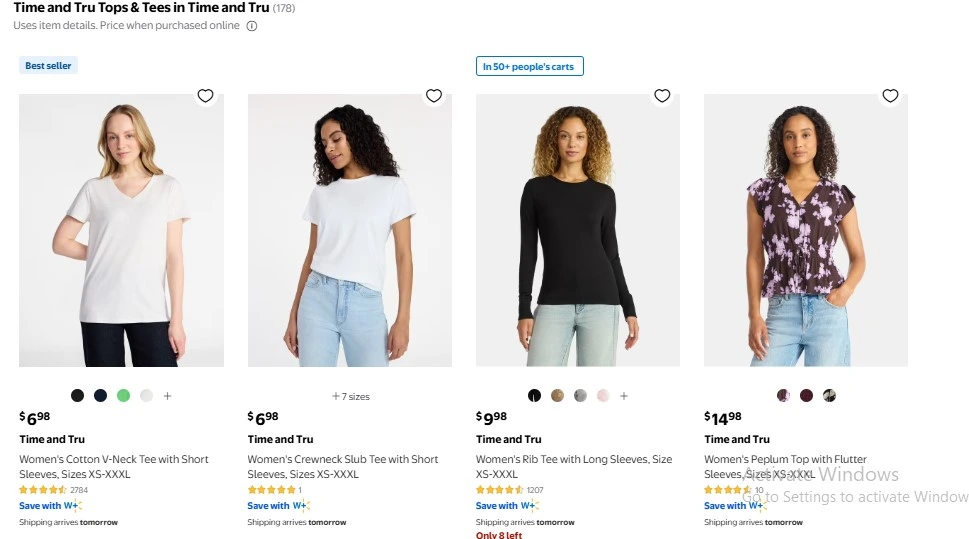
Time and Tru walmart private label brand

Time and Tru is one of Walmart’s most well-known private label fashion brands for women. It offers trend-inspired styles that combine comfort, versatility, and value. The line includes everyday casual pieces, seasonal apparel, accessories, footwear, and wardrobe basics suitable for a wide range of occasions.

Highlights:

  • Women’s tops, dresses, denim, skirts, and outerwear

  • Accessories like handbags, shoes, and scarves

  • Focus on modern yet affordable everyday style

  • Why It Matters: Time and Tru appeals to value-driven shoppers looking for fashionable clothing without premium price tags, making it a key competitor in Walmart’s women’s apparel category.

Terra & Sky
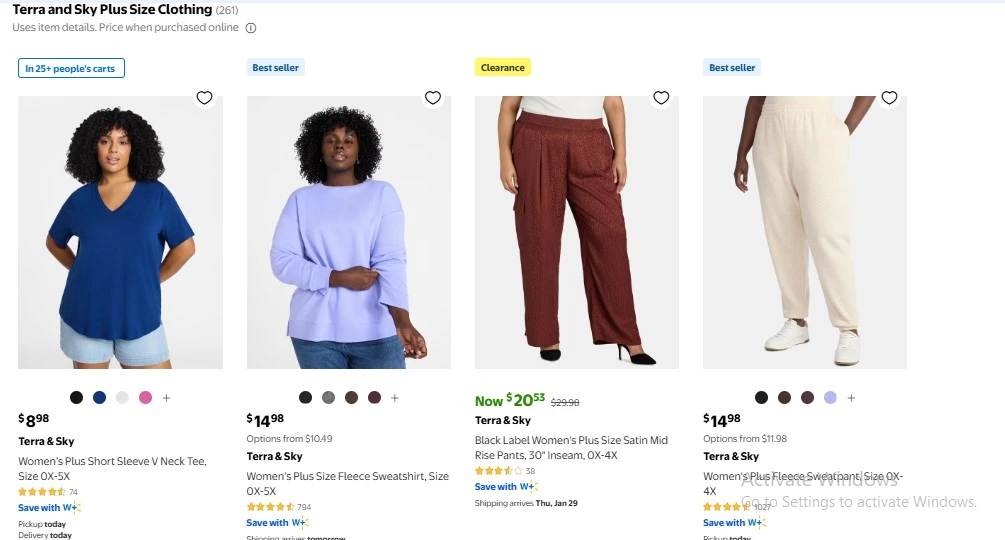
Terra & Sky

Terra & Sky specializes in plus-size women’s fashion with a focus on flattering silhouettes, comfortable fabrics, and stylish designs. This brand reflects Walmart’s commitment to size inclusivity by offering a broad range of sizes and styles that feel tailored and supportive.

Highlights:

  • Tops, dresses, pants, and activewear for plus sizes

  • Smarter fit and stretch-friendly fabrics

  • Comfortable everyday and casual wear

  • Why It Matters: The brand helps Walmart capture a growing plus-size market by providing fashionable, budget-friendly options that competitors may overlook.

Wonder Nation
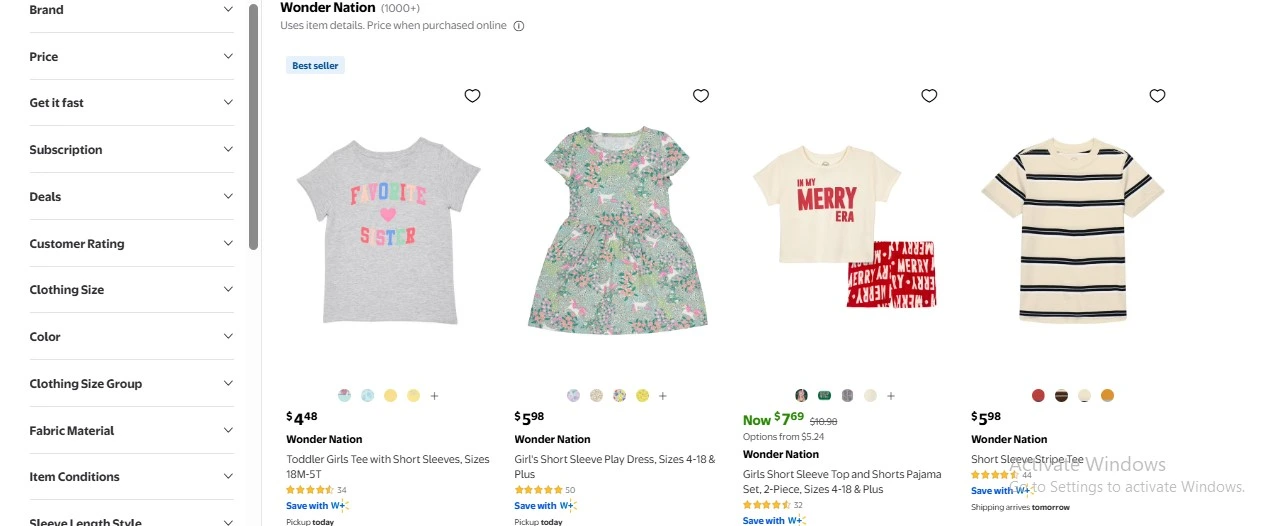
Wonder Nation walmart private label brand

Wonder Nation is Walmart’s dedicated kids’ clothing brand, designed for play, school, and everyday life. The brand focuses on durability, comfort, and fun designs, making it a go-to choice for families shopping on a budget.

Highlights:

  • Boys’ and girls’ casual wear, playwear, and school outfits

  • Shoes and accessories for kids

  • Comfortable, easy-care fabrics

  • Why It Matters: Walmart’s kids’ apparel category is competitive, and Wonder Nation stands out by offering practical yet stylish clothing that parents trust.

George
George

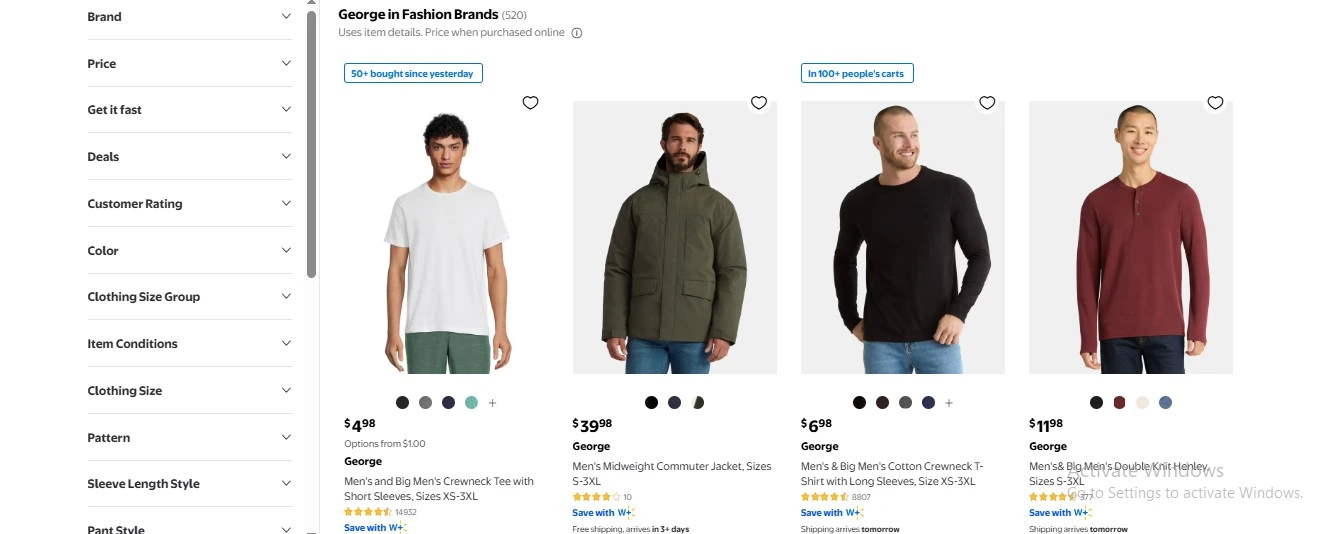
George is a longstanding Walmart private label fashion brand with roots in the retailer’s acquisition of the UK-based George line. Today, George offers a mix of classic and contemporary styles across men’s, women’s, and children’s clothing.

Highlights:

  • Men’s casual and work attire such as polos, jeans, and jackets

  • Women’s wardrobe staples and seasonal pieces

  • Coordinated family outfits

  • Why It Matters: George combines timeless design with affordability, positioning it as a versatile brand within Walmart’s broader fashion ecosystem.

No Boundaries
No Boundaries

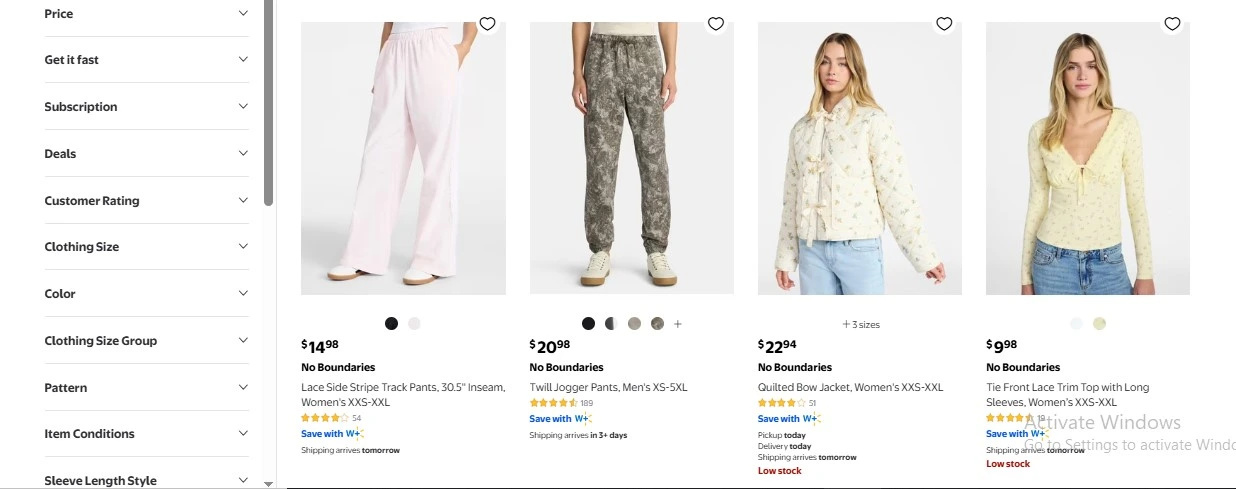
No Boundaries has been repositioned as a major youth-centric fashion brand targeting younger shoppers, particularly Gen Z. Relaunched in 2024 with an expanded assortment and refreshed design strategy, No Boundaries features modern silhouettes, inclusive sizing, and ultra-affordable pricing on trend-driven clothing and accessories.

Highlights:

  • Oversized tees, baggy jeans, sweat sets, and casual essentials

  • Clothing, shoes, intimates, and accessories

  • 80% of items priced under $15

  • Why It Matters: With a reported $2 billion annual retail value and a strong focus on social media and youth culture, No Boundaries is a major player in Walmart’s private label fashion line

An in-depth look at Walmart Online Pickup and Delivery program and how sellers can benefit in 2026.

Home, Furniture, and Living Essentials

Walmart private label brands goes well beyond groceries and fashion. In the home, furniture, and living essentials category, Walmart has built a strong lineup of in‑house brands that help shoppers furnish, decorate, and equip their homes at affordable prices. These brands compete directly with national and specialty furniture retailers by offering value‑oriented products that appeal to the mass market. Sellers and marketplace entrepreneurs should understand these key brands when analyzing competition, pricing, and product positioning.

Mainstays
MainStays walmart private label brand

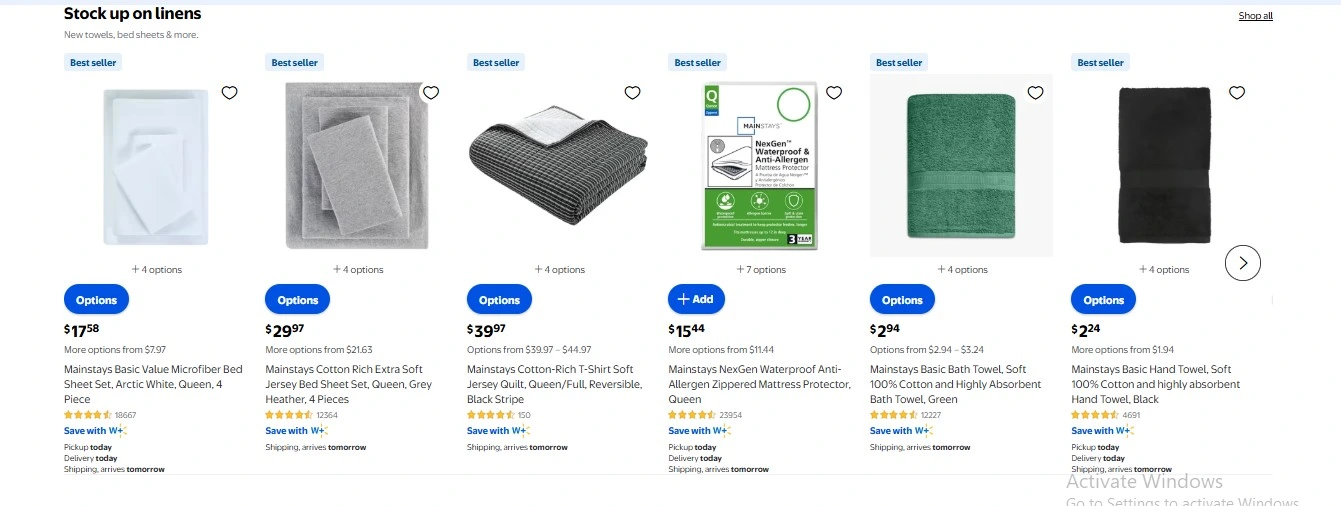
Mainstays is Walmart’s flagship private label brand for home goods, furniture, décor, and everyday essentials. Known for its wide product range and budget‑friendly pricing, Mainstays includes items for almost every room and lifestyle.

What Mainstays Offers:

  • Bedding and bath essentials (sheets, comforters, towels)

  • Kitchenware and dining accessories

  • Home décor (rugs, curtains, lamps, accent pieces)

  • Entry‑level furniture (chairs, desks, shelving)

Mainstays products tend to focus on practicality, broad appeal, and affordability, making them attractive to value‑driven shoppers and renters alike. Mainstays has become one of the most widely purchased private label home brands in the U.S., with significant household penetration.

Better Homes & Gardens
Better Homes & Gardens

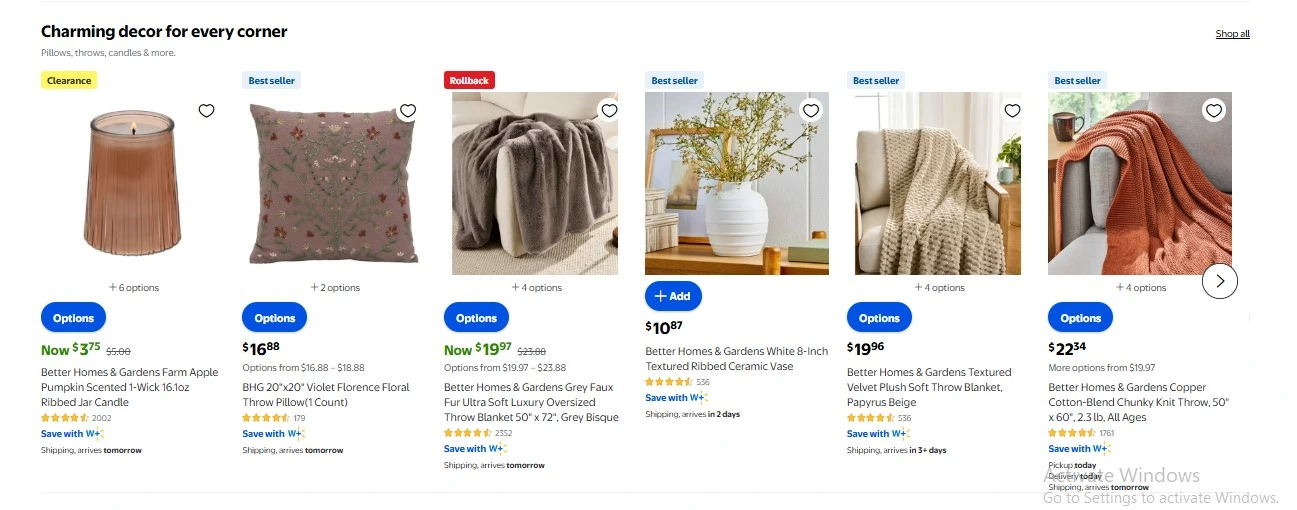
Better Homes & Gardens is a licensed private label partnership that brings a more stylish and trend‑aware aesthetic to Walmart’s home category. Originally a magazine brand, Better Homes & Gardens products span a broad range of categories designed for everyday living and décor.

Key Features of the Brand:

  • Home décor and accent pieces (decorative objects, wall art, candles)

  • Furniture and living room collections

  • Bedding and bath accessories

  • Outdoor living items

While Mainstays emphasizes value and basics, Better Homes & Gardens often focuses on elevated design at accessible prices, appealing to shoppers who want their spaces to feel curated without premium prices.

Additionally, Walmart frequently collaborates with designers for seasonal or themed collections under this brand, expanding its appeal and freshness in the marketplace.

The Pioneer Woman
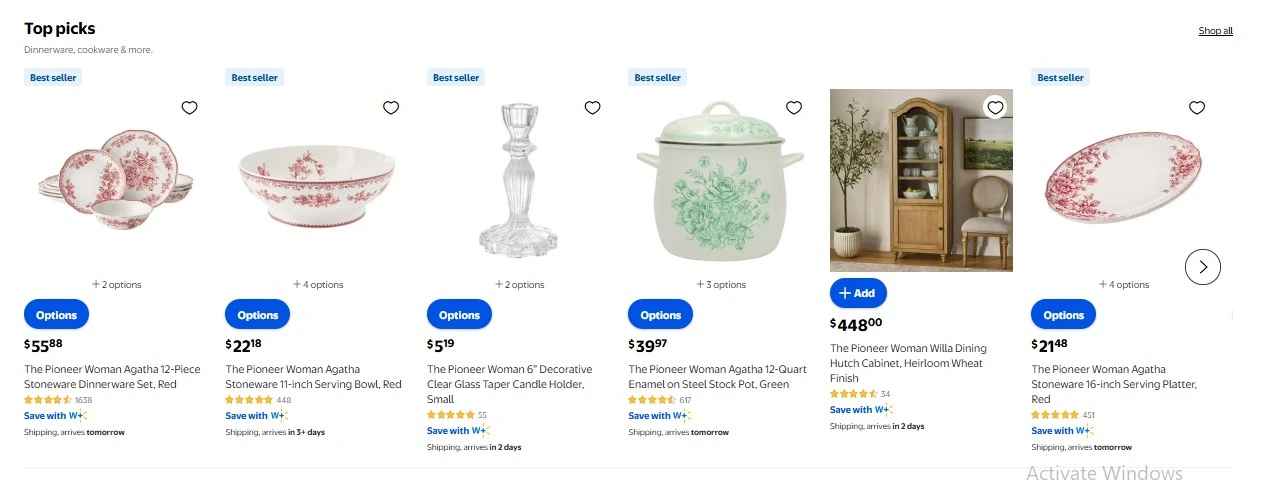
Pioneer Woman

Although originally rooted in kitchenware and décor, The Pioneer Woman brand—developed in collaboration with celebrity chef Ree Drummond—has expanded into home furnishings and furniture that blend rustic charm with everyday functionality.

What Sets It Apart:

  • Country‑inspired design aesthetic

  • Dining and kitchen furniture collections

  • Rustic accents and cozy décor pieces

This brand demonstrates the power of influencer‑linked private labels—where a strong personality and lifestyle ethos translate into tangible product lines that resonate with customers.

Learn what Walmart Rollback pricing means, how it works, and how sellers can use it strategically.

Health & Beauty Brands

Walmart private label brands includes some of the most widely recognized health and beauty brands in the U.S. market—offering shoppers high‑value alternatives to national brands across personal care, wellness, and everyday beauty essentials. These brands are a key part of Walmart’s strategy to provide affordable, quality products that keep customers coming back. For sellers, understanding these Walmart private label brands helps with category placement, competitive pricing, and product differentiation.

Equate
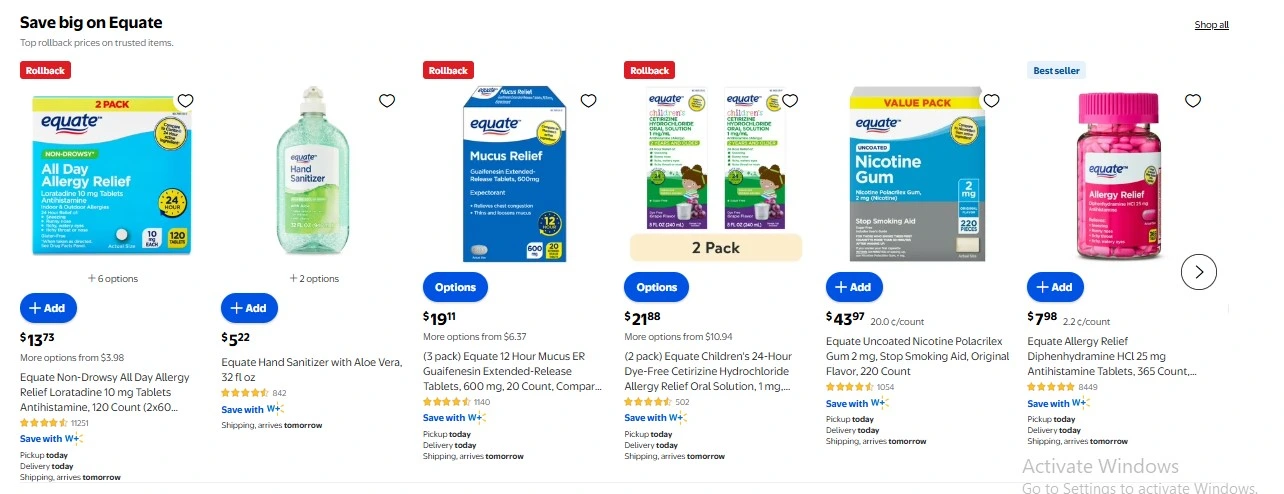
Equate

Equate is Walmart’s flagship health and beauty private label brand and one of its most widely purchased across all categories. It covers a broad range of products, from personal care to over‑the‑counter medications, and is frequently positioned right beside national brands on shelves and online.

What Equate Offers:

  • Personal hygiene: shampoos, conditioners, bar soaps, body wash

  • Skin care: lotions, moisturizers, sunscreens

  • Oral care: toothpaste, floss, mouthwash

  • Over‑the‑counter health: pain relievers, cold remedies, first‑aid supplies

Why It Matters: Equate’s products are designed to match the functionality of popular name brands while delivering strong value. This makes it a widely trusted choice for consumers looking to save money on everyday health and beauty needs.

Spring Valley — Vitamins, Supplements & Wellness
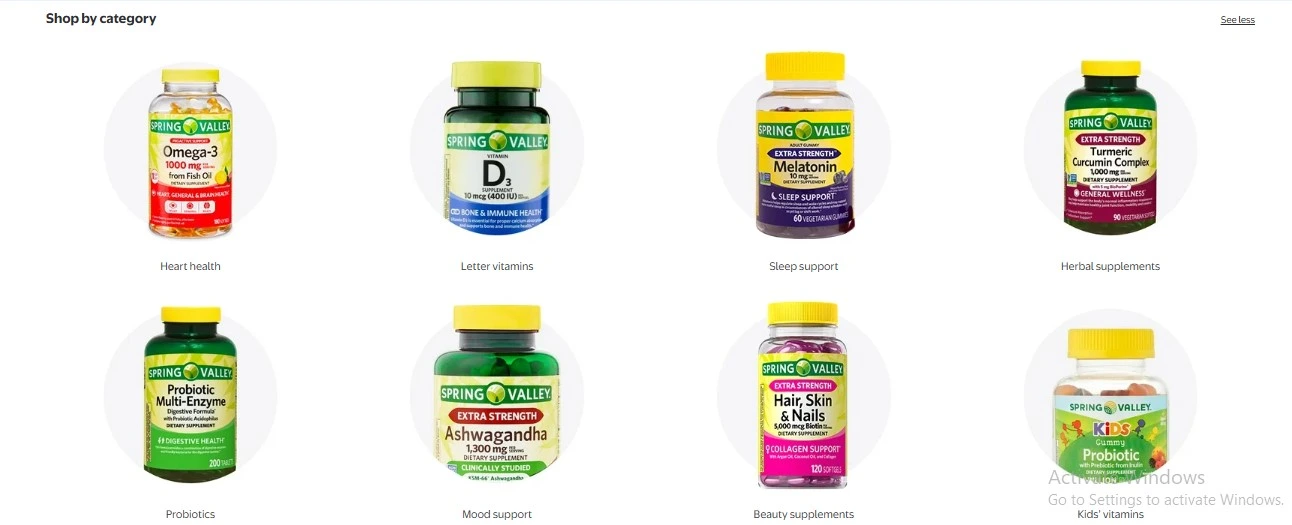
SpringValley

Spring Valley is Walmart’s private label focused on health, wellness, and nutritional supplements. It has become especially prominent as consumers increasingly prioritize proactive health management. The brand includes vitamins, minerals, herbal supplements, and specialty formulas designed for specific health goals such as immunity support and sleep health.

Key Features:

  • Vitamins (A, B, C, D, etc.) and mineral blends

  • Herbal and botanical supplements

  • Specialty wellness categories (e.g., probiotics, joint support)

Why It Matters: Spring Valley’s expansion reflects a broader consumer shift toward wellness and preventive care. Its visibility across Walmart.com and in stores makes it a benchmark for how third‑party sellers can position their own wellness products.

Simply Basic

Simply Basic is a budget‑oriented beauty and personal care brand that covers everyday items used in daily routines. While not as extensive as Equate or Spring Valley, Simply Basic fills important gaps in the entry‑level beauty category.

Common Products:

  • Fragrance sprays, lotions, and body care

  • Shampoo and conditioner

  • Bath accessories and personal treatment basics

Why It Matters: This brand appeals especially to value‑focused shoppers and younger buyers looking for affordable beauty products without the premium price tag. It also helps Walmart capture price‑conscious markets that might otherwise buy inexpensive national brands elsewhere.

A step-by-step guide to creating and optimizing your Walmart Seller Center account for success in 2026.

Electronics & Technology Brands

In the electronics and technology category, Walmart has strategically developed and expanded its private label offerings to compete with traditional tech brands and capture value‑oriented shoppers. These in‑house brands focus on affordability, accessibility, and a broad range of consumer tech products—from cables and accessories to home entertainment and computing peripherals. Walmart’s presence in this space influences pricing expectations and competitive dynamics for third‑party sellers in electronics categories.

Onn
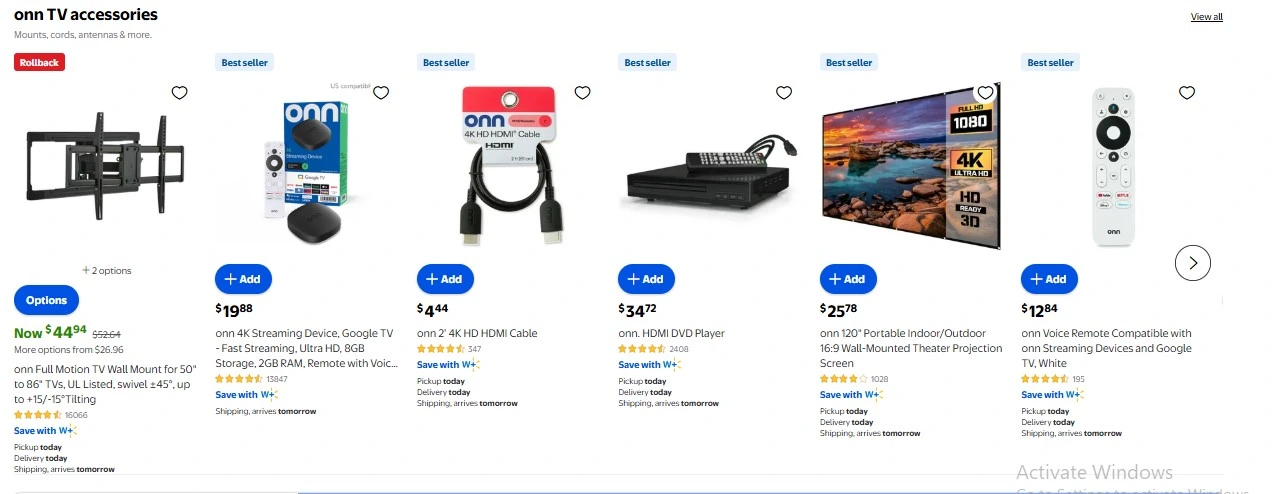
Onn walmart private label brand

Onn is Walmart’s primary private label electronics brand and one of its most visible technology offerings. This brand caters to budget‑conscious consumers by providing a wide selection of tech essentials at competitive prices, including cables, chargers, audio equipment, smart devices, TVs, and computer peripherals.

Onn Product Categories:

  • Charging cables and power adapters

  • USB‑IF certified fast chargers and wall plugs

  • Portable power banks and batteries

  • Monitors and keyboards/mice combos

  • Smart TVs and streaming devices

  • Audio gadgets like Bluetooth speakers and earphones

Unlike some premium brands, Onn prioritizes value over high‑end specs—making these products widely accessible but often more basic in features. This positioning fills a crucial niche for Walmart customers who need functional, affordable technology without premium pricing.

Vizio
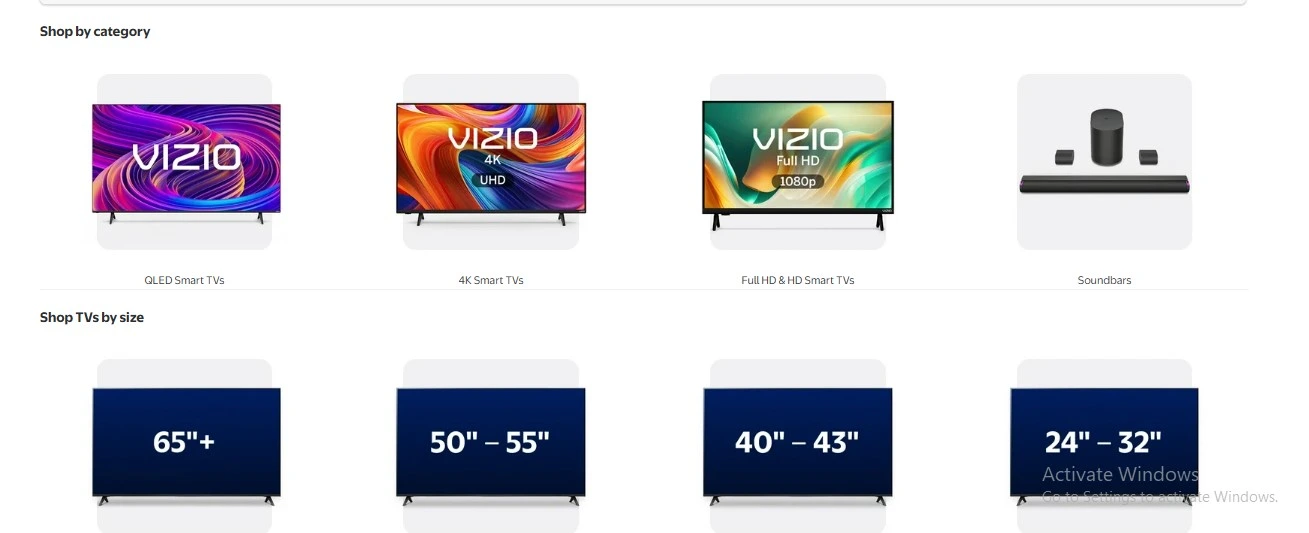
Vizio

In a major strategic move, Walmart acquired Vizio, a well‑known American consumer electronics company, solidifying its footprint in home entertainment and smart displays. Vizio products—including 4K UHD televisions, soundbars, and related accessories—are increasingly being sold exclusively at Walmart and Sam’s Club as part of this acquisition.

Although Vizio retains its own brand identity for now, its integration into Walmart’s private label ecosystem enhances Walmart’s technology offerings by combining brand recognition with exclusive retail access. This allows Walmart to offer more premium‑tier electronic displays alongside its value‑oriented Onn products.

This exclusive arrangement positions Walmart to challenge competitors like Target and Best Buy while expanding the visibility of its private label and affiliated brands in tech categories.

Blackweb
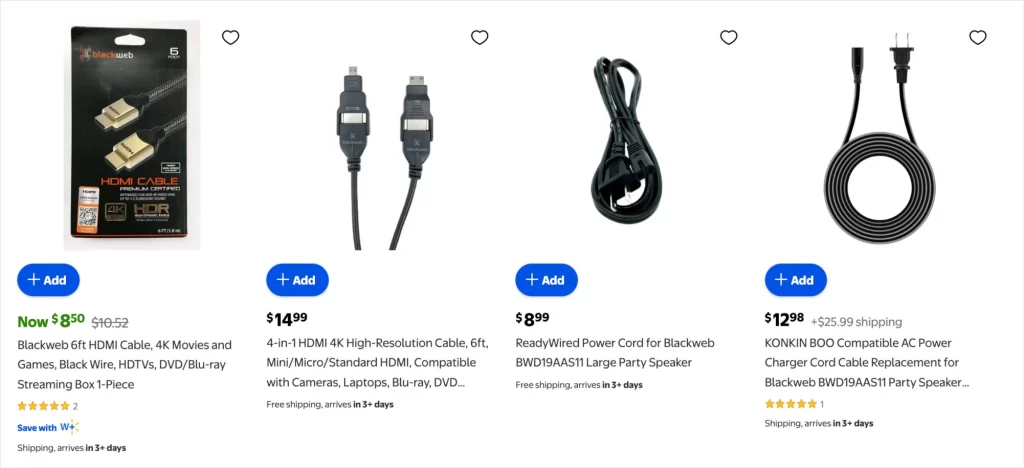
Blackweb

Historically, Blackweb served as Walmart’s mid‑tier electronics and accessories brand, offering products like keyboards, headphones, speakers, and computer peripherals. While recent trends show that Blackweb has been phased out or consolidated into Onn, its influence remains part of Walmart’s evolution in private label electronics.

Blackweb’s legacy reflects Walmart’s earlier attempts to target slightly more premium tech accessories before streamlining offerings under the Onn umbrella, helping Walmart optimize its tech‑brand portfolio across price points.

Electronics & Tech Brand Positioning and Seller Impact

Walmart’s electronics private label strategy reflects a multi‑tier approach:

  • Budget and everyday tech: Products like cables, chargers, and basic peripherals under Onn help Walmart remain competitive in price‑sensitive segments.

  • Smart entertainment and displays: With brands like Vizio now part of Walmart’s portfolio, the retailer can offer more advanced electronic experiences that appeal to customers looking for larger purchases without sacrificing value.

  • Legacy experimentation: Blackweb and similar labels show Walmart’s ongoing refinement of its private label tech strategy.

For sellers in electronics categories on Walmart Marketplace, this means:

  • Competitive pricing pressure: Walmart’s own brands often set minimum price expectations that impact how third‑party products are priced.

  • Differentiation is key: Sellers focusing on higher‑end specs, niche audiences, or specialized accessories must differentiate from Walmart’s private label offerings.

  • Marketing and positioning: Highlight unique features, quality assurances, and product warranties to compete in a space where Walmart’s brands emphasize affordability.

Why Walmart Private Label Brands Are Popular?

The power of Walmart’s private label strategy comes from how well it delivers what shoppers care about most: affordable pricing, dependable quality, and easy access — all supported by simple, straightforward branding. While Walmart operates at a massive scale, the principles behind its success are highly relevant for online sellers looking to compete in their own markets.

Below are the main reasons Walmart private label brands perform so well, along with practical lessons sellers can apply.

Competitive pricing that builds confidence

Walmart private label brands products are usually priced well below national brands, often by 20–30%, yet they don’t feel low-quality. Clean design, consistent performance, and smart positioning make these products feel like a wise purchase rather than a compromise.

Seller takeaway: Competing on price doesn’t mean racing to the bottom. Focus on demonstrating value by combining reasonable pricing with strong visuals, clear benefits, and positive reviews.

Reliable availability across channels

Walmart ensures its private label items remain in stock across online and physical stores. This consistency reinforces trust and encourages repeat purchases.

Seller takeaway: Stockouts cost sales and momentum. Monitor inventory closely, plan buffer stock, and protect your best-performing products from going unavailable.

Wide product selection

Private labels like Great Value, Equate, and Mainstays span numerous categories, allowing Walmart to stay relevant no matter what customers are shopping for.

Seller takeaway: Grow thoughtfully by adding complementary products or bundles. This increases order value and keeps your brand useful across multiple customer needs.

Simple, recognizable branding

Walmart keeps private label branding clear and functional, making products easy to recognize and trust across different categories.

Seller takeaway: Consistency matters. Use unified colors, fonts, and messaging across your listings, packaging, and storefront — even if your brand is small.

Exclusivity that drives loyalty

Walmart private label brand products are only available through Walmart, which encourages customers to return. Sellers can apply this same principle online by offering exclusive bundles, variations, or digital bonuses that can’t be found elsewhere.

How Walmart Private Labels Compare to Competitors

Walmart isn’t the only major retailer winning with private label brands. Amazon, Target, and Costco have all built strong in-house brands of their own. The real question is how Walmart’s private label strategy compares — and what online sellers can learn from these differences to better position their products and stand out.

Below is a comparison of Walmart and its top competitors, along with key opportunities for sellers.

Walmart vs. Amazon Basics

Walmart private labels such as ONN and Mainstays play a role similar to Amazon Basics by offering practical, low-cost products in categories like electronics and home goods. Amazon Basics benefits from fast Prime shipping and online dominance, while Walmart’s advantage lies in its combination of eCommerce reach and physical store presence.

Seller opportunity: Go beyond basic functionality. Products with improved design, useful bundles, or added features can attract shoppers who want more than the bare minimum.

Walmart vs. Target’s Up & Up and Good & Gather

Target’s private labels are known for strong visual appeal and lifestyle-focused branding. Up & Up and Good & Gather emphasize clean design, thoughtful packaging, and a premium feel. Walmart, on the other hand, competes heavily on price and scale — while newer brands like Bettergoods show a move toward cleaner ingredients and modern design.

Seller opportunity: In categories like beauty, wellness, or food, combining affordable pricing with polished branding can help you stand out and capture value-conscious but quality-driven shoppers.

Walmart vs. Costco’s Kirkland Signature

Costco’s Kirkland Signature is built around bulk purchasing and a premium-value perception, targeting loyal members who buy in large quantities. Walmart’s private labels focus more on everyday accessibility and convenience without requiring a membership.

Seller opportunity: Offer flexible buying options. Smaller packs can attract new customers, while bundles or multipacks can increase repeat purchases — appealing to both convenience seekers and deal-focused buyers.

What Walmart Private Label Brands Success Can Teach You

Walmart’s dominance in private label brands offers valuable lessons for sellers, retailers, and entrepreneurs looking to understand how to leverage private label strategies effectively. The retailer has mastered balancing affordable pricing, wide selection, and quality assurance, making its private labels a significant part of its overall revenue. Here’s what you can learn from Walmart’s approach:

Focus on Customer Needs and Affordability

Walmart consistently develops private label brands that address specific customer pain points, such as cost, convenience, or lifestyle preferences. Brands like Equate and Spring Valley provide essential health and wellness products at lower prices than national brands, without compromising quality.

Lesson for Sellers:

  • Research your target audience thoroughly.

  • Identify gaps in the market where you can provide value.

  • Offer products that balance affordability with quality to build trust and repeat customers.

Smart pricing without compromising quality

Walmart carefully balances low prices with dependable quality. Its private label products are affordable, yet they still meet customer expectations. Sellers can follow this approach by offering products that feel like a good value — even when priced for budget-conscious shoppers.

Diversify Across Categories

Walmart doesn’t limit its private labels to one niche. From food and beverages to electronics, home essentials, and fashion, Walmart ensures there’s a brand for almost every type of shopper. This diversification strengthens Walmart’s market presence and keeps customers loyal.

Lesson for Sellers:

  • Explore multiple complementary product categories.

  • Avoid relying on a single product line to drive all sales.

  • Diversification allows you to capture different segments of your audience and reduce risk.

Strategic Placement and Branding

Walmart places its private label products side by side with national brands, allowing shoppers to compare directly and see value. The strong branding of labels like Onn, Vizio, and Equate creates credibility and enhances perceived quality.

Lesson for Sellers:

  • Position your brand strategically to stand out against competitors.

  • Invest in professional packaging and branding to convey trust and quality.

  • Use clear messaging to emphasize your product’s unique value proposition.

Data-Driven Product Development

Walmart relies heavily on market insights and customer data to decide which private label products to launch or expand. This ensures the products meet real demand and reduce the risk of poor-performing SKUs.

Lesson for Sellers:

  • Track customer preferences, sales trends, and competitors’ best sellers.

  • Use analytics tools to identify high-demand products with low competition.

  • Refine your product offerings based on real-time data and feedback.

Quality and Trust Build Loyalty

Even with lower prices, Walmart maintains a baseline quality standard across its private labels. Shoppers know that purchasing Equate, Onn, or Spring Valley guarantees a reliable experience. This trust encourages repeat purchases and strengthens brand loyalty.

Lesson for Sellers:

  • Never compromise on product quality.

  • Maintain consistency in materials, packaging, and performance.

  • Building trust with your audience ensures long-term success.

Continuous Innovation and Expansion

Walmart continuously updates and expands its private label offerings. Whether integrating new tech brands like Vizio or refreshing its health & wellness lineup, Walmart keeps its portfolio relevant and competitive.

Lesson for Sellers:

  • Keep innovating—update your products or introduce new variations regularly.

  • Stay ahead of trends in your niche to maintain customer interest.

  • Test new products or services and refine based on feedback.

Final Thoughts: Walmart Private Label Brands

Walmart private label brands have become a benchmark in retail, demonstrating how affordable pricing, broad category coverage, and consistent quality can drive customer loyalty and market dominance. From groceries to electronics, Walmart has leveraged its private labels to compete with other major retailers while maintaining strong brand recognition.

For Walmart Marketplace sellers, understanding these private labels is crucial. By analyzing Walmart’s strategy, sellers can identify gaps in the market, differentiate their offerings, and position their products effectively to attract buyers. Whether you’re selling groceries, home essentials, or electronics, aligning your product strategy with customer expectations and market trends will help you compete successfully against Walmart’s private labels.

Ultimately, Walmart’s success teaches a valuable lesson: value, consistency, and customer-focused innovation are key factors for growth in both physical and online retail.

Contact Us for Tailored Solutions – TechEcomm:

Ready to transform your eBay store and achieve big wins? Contact us at TechEcomm for personalized solutions that leverage the power of automation for your business. Reach out to us at (302) 216-4540 or via email at info@techecomm.com. Sign up and Embark on the path to e-commerce success with TechEcomm – where small changes lead to big wins!

[gravityform id="16" title="true"]
[gravityform id="11" title="true"]
[gravityform id="15" title="true"]
[gravityform id="9" title="true"]
[gravityform id="8" title="true"]
[gravityform id="4" title="false" ajax=“true”]
[gravityform id="3" title="false" ajax=“true”]

Error: Contact form not found.