I Reviewed Walmart's Best-Selling Items — Here's What People Are Actually Buying in 2026

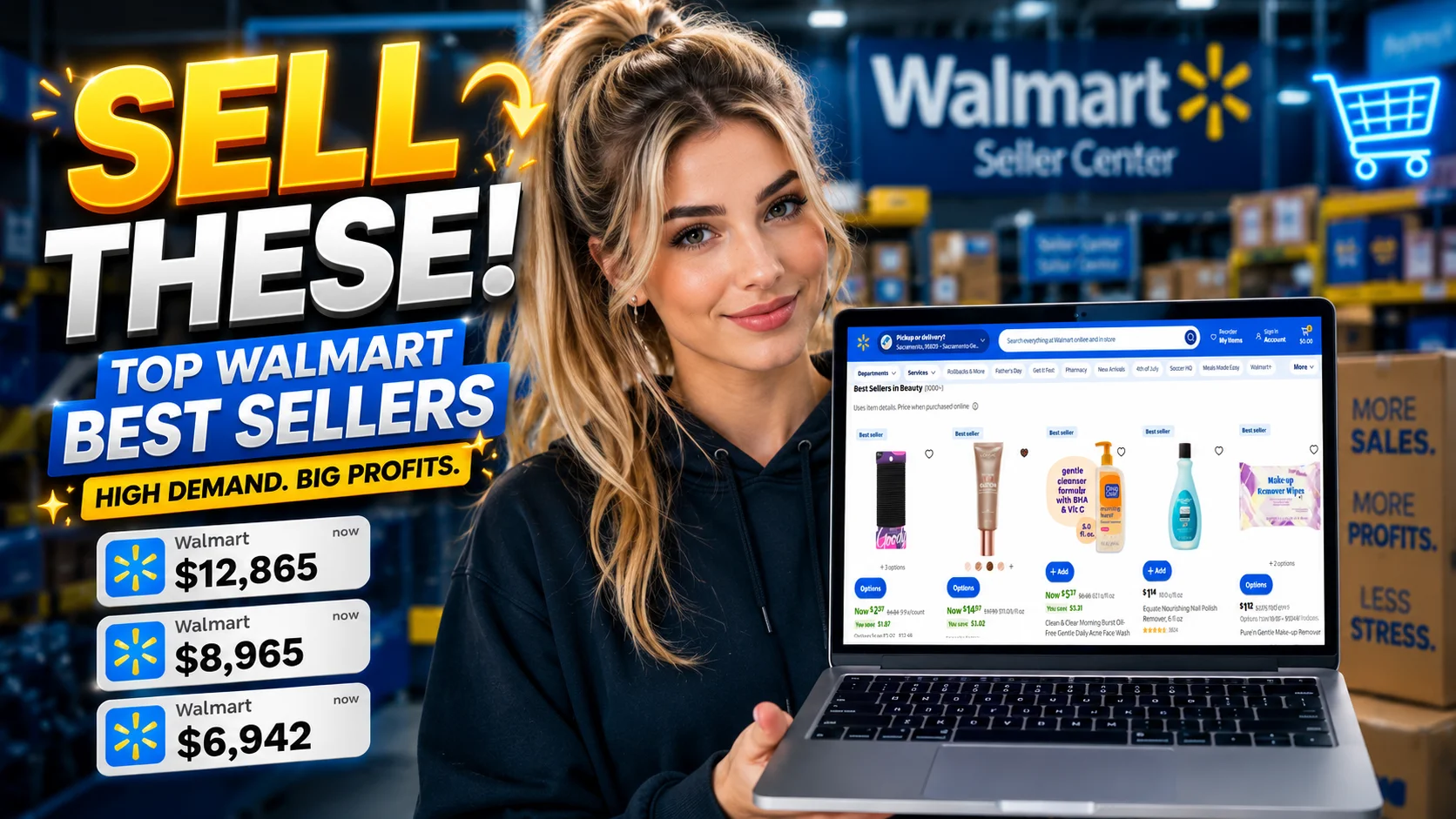
The best selling items at Walmart in 2026 are grocery essentials (largest category by revenue), electronics & accessories, health & wellness products, beauty & personal care, baby care, pet supplies, home decor, sports & outdoors, apparel, and toys. For third-party Walmart sellers, the highest-opportunity categories are accessories, pet supplies, and wellness — not core categories dominated by Walmart's private labels.
Key Takeaways
- Walmart serves over 240 million customers weekly and generated $462.4 billion in US sales in fiscal 2026 — making "best-selling" data on Walmart one of the most reliable signals of real American consumer behavior.
- Grocery and household essentials dominate Walmart's overall revenue, but the highest-opportunity categories for third-party sellers are accessories, pet supplies, wellness, and home decor — not core categories.
- Walmart Marketplace added over 44,000 new sellers in just five months — meaning "best-seller" lists without competitive density data are misleading. Some popular categories are oversaturated.
- Online and in-store best-sellers behave differently: online favors higher-consideration electronics and furniture; physical stores move groceries and household staples at velocity.
- Q4 (October–December) volume spikes 200–300% for seasonal categories like decor, gifts, and LEGO sets — but flat or below baseline in many other periods, so timing matters as much as category choice.
- Electronics is the highest-revenue category but also the most competitive — accessories (chargers, cases, smart home plugs) offer better margins than core devices for new sellers.
- Walmart's eCommerce grew 26% in Q1 FY27, with marketplace continuing to be one of the fastest-growing parts of the business — the opportunity window is real but actively closing.
- What Is Actually Driving Walmart's Best-Seller Lists in 2026?
- How Did I Analyze Walmart's Best-Selling Data?
- Walmart's Best-Selling Categories at a Glance
- Walmart's Best-Selling Items by Category in 2026
- Grocery & Household Essentials
- Electronics & Accessories
- Health & Wellness Products
- Beauty & Personal Care
- Baby Care Products
- Pet Supplies
- Home Decor & Furniture
- Sports & Outdoors
- Apparel & Activewear
- Toys & Games
- How Do You Choose the Right Product to Sell on Walmart?
- Frequently Asked Questions
Walmart's best-selling items reveal what 240+ million weekly customers are actually buying — and it is genuinely different from what most "top sellers" lists publish. The real best-seller data is split between in-store grocery dominance and online category leaders that look nothing like the physical store mix. Knowing the difference is what separates Walmart sellers who scale from those who burn ad spend on the wrong category.
I analyzed Walmart's Q1 FY27 earnings data, marketplace category reports, and direct seller forum signals across the past four months to identify which products are actually selling — and just as importantly, where the opportunity exists for third-party sellers versus categories Walmart's own private labels already dominate. Every revenue figure and growth percentage in this guide was verified against Walmart's official investor communications from May 2026.
This guide ranks the 10 best-selling category groups on Walmart in 2026, with the specific subcategories and item types driving the volume. Each category includes real revenue data, a barrier-to-entry assessment for third-party sellers, and the seasonal timing that affects when products move best.
What Is Actually Driving Walmart's Best-Seller Lists in 2026?
Three forces are shaping Walmart's best-selling items in 2026: eCommerce growth of 26% year-over-year, marketplace expansion adding 44,000+ new sellers in just five months, and a continued shift in shopper behavior toward online ordering for non-grocery categories. Understanding these dynamics matters more than memorizing any best-seller list — because the list changes, but the forces driving it are stable.
Walmart's Q1 FY27 earnings release shows eCommerce sales up 26% year-over-year, with strength led by store-fulfilled delivery, advertising, and marketplace. Walmart Connect (advertising) grew 44%. This means buyers are increasingly discovering products through Walmart's own platforms rather than just walking into a store — and that creates a real window for online-first sellers.
Why Does the Online vs In-Store Split Matter?
Walmart's online and in-store best-sellers behave differently. Online buyers favor higher-consideration purchases — electronics, furniture, beauty, and specialty items where research time is welcome. In-store shoppers move groceries, household staples, and consumables at velocity. If you are selling on Walmart Marketplace, your competition is primarily other online sellers — not Walmart's grocery aisle.
The practical implication for sellers: do not pick "best-selling items" without knowing whether they sell well online or in-store. Choosing a category based on overall Walmart sales volume but planning to sell only through the marketplace is the single most common mistake I see new Walmart sellers make.
How Did I Analyze Walmart's Best-Selling Data?
I cross-referenced three data sources: Walmart's published Q1 FY27 earnings categories, third-party marketplace tracking reports from SellerApp and Helium 10's Walmart module, and direct best-seller pages on Walmart.com across the past four months.
The evaluation framework for each category:
- Revenue scale — total category sales relative to Walmart's overall mix
- Online vs in-store split — where buyers actually purchase the products
- Seasonal volume curve — when sales spike and when they go flat
- Barrier to entry — how hard it is for a new third-party seller to compete
- Margin potential — typical profit ranges for marketplace sellers
- Walmart private label presence — how aggressively Walmart's own brands compete
"Best-selling at Walmart" and "best opportunity for marketplace sellers" are not the same thing. Walmart's top-selling category is groceries — but groceries are dominated by Walmart's own Great Value private label, supplemented by major CPG brands that have direct retail relationships. A new third-party seller cannot meaningfully enter that category. The real opportunity categories are accessories, niche pet supplies, specialty wellness, and home decor — where Walmart's private labels have weaker positioning and brand-name competition is more fragmented. This guide ranks both: what sells most overall, AND where new sellers can actually win.
Want Your Walmart Store Built and Managed by Experts?
TechEcomm's Walmart automation service handles product research, listing creation, sourcing, pricing, and order fulfillment — so your store runs and generates revenue without you managing every detail.
Walmart's Best-Selling Categories at a Glance
Here is the 2026 snapshot of Walmart's top 10 best-selling category groups — with the seller opportunity rating, barrier to entry, and the channel split (online vs in-store) for each:
| Category | Channel Dominance | Seller Opportunity | Barrier to Entry | Peak Season |
|---|---|---|---|---|
| Grocery & Essentials | In-store | Low (private label dominates) | High | Year-round |
| Electronics & Accessories | Online | High (for accessories) | Moderate | Q4 + back-to-school |
| Health & Wellness | Mixed | High | Moderate | Q1 (New Year) |
| Beauty & Personal Care | Online | High | Moderate | Q4 (gifting) |
| Baby Care | Mixed | Moderate | Moderate | Year-round |
| Pet Supplies | Online | High | Low–Moderate | Year-round |
| Home Decor & Furniture | Online | High | Moderate | Q4 + spring |
| Sports & Outdoors | Mixed | Moderate–High | Moderate | Q2–Q3 |
| Apparel & Activewear | Mixed | Moderate | High | Q4 + back-to-school |
| Toys & Games | Online | Moderate | Moderate | Q4 (200–300% spike) |
Walmart's Best-Selling Items by Category in 2026
Below is the detailed breakdown of each top category — with the specific products driving sales, real market data on why they sell, barrier-to-entry assessment for third-party sellers, and the seasonal timing that affects when items move best.
Grocery & Household Essentials

Grocery and household essentials are Walmart's largest category by revenue — roughly 60% of total US sales — and the category most dominated by Walmart's own Great Value private label. Walmart captures approximately 30% of all US digital grocery sales, which means even the online portion is enormous in absolute terms.
What's Actually Selling
- Great Value private label staples: milk, eggs, bread, snacks, frozen meals
- Major CPG brands: Coca-Cola, Procter & Gamble household products, Kellogg's, General Mills
- Pantry essentials: coffee, pasta, sauces, baking supplies
- Cleaning supplies: Tide, Clorox, Mrs. Meyer's (premium positioning)
- Personal care basics: deodorant, toothpaste, shampoo, soap
Electronics & Accessories

Electronics is Walmart's highest-revenue online category and the most competitive. The US consumer electronics market is projected to reach $1.03 trillion in 2026 according to Statista, with smartphones and accessories leading. Walmart shoppers are highly price-driven, which means competitive pricing wins over premium positioning in this category.
What's Actually Selling
- Smartphone accessories: cases, screen protectors, chargers, charging cables — highest-volume sub-category
- Wireless earbuds and headphones: mid-tier brands (JBL, Soundcore, Skullcandy) plus Apple AirPods
- Smart home devices: smart bulbs, plugs, security cameras, Echo and Google Nest devices
- Power banks and portable chargers: 10,000mAh+ capacity bestsellers
- Televisions: 55"–65" smart TVs from TCL, Hisense, and Samsung
- Laptops and tablets: budget HP, Lenovo, and Acer for back-to-school
- Apple AirTags and tracking devices
Health & Wellness Products

Health and wellness is Walmart's fastest-growing non-grocery category in 2026. Vitamins, supplements, OTC medications, fitness recovery products, and sleep aids are all up double-digits year-over-year. The category benefits from a strong Q1 seasonality bump from New Year's resolutions, but underlying demand has shifted from seasonal to year-round as wellness becomes a mainstream lifestyle category.
What's Actually Selling
- Vitamins and multivitamins: Nature Made, Centrum, One A Day, Olly
- Protein powders and supplements: Optimum Nutrition, BSN, Premier Protein
- Sleep aids: melatonin gummies, magnesium glycinate, lavender-based products
- Specialty supplements: ashwagandha, collagen peptides, electrolyte mixes
- OTC pain relief: ibuprofen, acetaminophen, topical creams (Voltaren, Icy Hot)
- Personal care medical: blood pressure monitors, thermometers, pulse oximeters
Beauty & Personal Care

Beauty and personal care is one of Walmart's strongest online-growth categories in 2026. According to Statista beauty industry data, 46% of Gen Z and 44% of Millennials report spending more on beauty items than the previous year — and Walmart has captured a meaningful share of that incremental spend through both budget brands and the addition of premium SKUs.
What's Actually Selling
- Skincare: CeraVe, The Ordinary, Cetaphil, Neutrogena — value-oriented dermatology-style brands
- Cosmetics: Maybelline, L'Oréal Paris, Revlon, e.l.f. Cosmetics
- Premium budget brands: NYX Professional Makeup, Wet n Wild (Gen Z favorites)
- Hair care: Olaplex, OGX, Garnier Fructis, Mielle Organics
- Personal hygiene: Dove body wash, Old Spice deodorant, Native
- Beauty tools: hair dryers, straighteners, makeup brush sets
Baby Care Products

Baby care is one of the most predictable categories on Walmart — parents shop monthly, sometimes weekly, with high repeat purchase rates. The category has the best customer lifetime value of any Walmart marketplace category because new parents typically buy from the same retailer for 18–24 months once they find products that work.
What's Actually Selling
- Diapers: Pampers, Huggies, Walmart's Parent's Choice private label
- Baby formula: Similac, Enfamil, Gerber Good Start
- Baby food: Gerber, Plum Organics, Happy Family Organics
- Wipes: Pampers Sensitive, Huggies Natural Care, WaterWipes
- Baby skincare: Aquaphor, Mustela, CeraVe Baby
- Bottles and feeding: Dr. Brown's, Tommee Tippee, Avent
Skip the Research — Have a Fully Built Walmart Store Run for You
TechEcomm's done-for-you Walmart store service handles every layer — product research, listings, supplier integration, repricing, and order management — handled end-to-end.
Pet Supplies

Pet supplies are one of the highest-opportunity categories on Walmart for third-party sellers in 2026. The US pet industry is projected to reach $147 billion this year per American Pet Products Association data, and 66% of US households own at least one pet. The category combines steady year-round demand with relatively low private label competition outside of basic dog food.
What's Actually Selling
- Dog and cat food: Purina, Blue Buffalo, Hill's Science Diet, Kirkland (Costco), Walmart's Pure Balance
- Treats: Greenies, Milk-Bone, Temptations
- Pet toys: KONG, Outward Hound, Chuckit!
- Litter: Tidy Cats, Fresh Step, Arm & Hammer
- Accessories: harnesses, leashes, beds, carriers, pet cameras
- Pet health: flea/tick prevention (Frontline, Seresto), dental chews, supplements
- Specialty pets: bird, fish, reptile, small mammal supplies — underserved sub-niches
Home Decor & Furniture

Home decor and furniture are heavily online-dominant categories on Walmart, with Q4 holiday volume spikes of 200–300% above baseline. Walmart has invested heavily in expanding its home furnishings selection through marketplace sellers, and the category benefits from Walmart's perception as a value-driven alternative to Wayfair and IKEA.
What's Actually Selling
- Furniture: bed frames, dining sets, accent chairs, office desks — under $300 sweet spot
- Bedding: sheet sets, comforters, mattress toppers, weighted blankets
- Wall decor: framed art prints, mirrors, peel-and-stick wallpaper
- Storage and organization: shelving units, storage cubes, closet organizers
- Lighting: floor lamps, LED strip lights, smart bulbs
- Seasonal decor: Christmas trees, ornaments, outdoor lights (Q4 explosion)
- Kitchen tools: Instant Pots, air fryers, Stanley tumblers, branded glassware
Sports & Outdoors

Sports and outdoors is one of the fastest-growing segments on Walmart in 2026. The global sports equipment market is growing at 7.6% CAGR, and online sales now account for 35.9% of total sports equipment revenue. The category benefits from Walmart's broad demographic reach — appealing to casual home-workout buyers, team sports families, and serious outdoor enthusiasts simultaneously.
What's Actually Selling
- Home fitness: dumbbells, resistance bands, yoga mats, adjustable benches
- Cardio equipment: Bowflex, Sole Fitness, Schwinn (budget tier)
- Outdoor recreation: Coleman tents, Yeti coolers, camping chairs
- Bicycles: Mongoose, Huffy, Schwinn — entry to mid-tier
- Water sports: kayaks, paddleboards, inflatable boats (Q2 spike)
- Hunting and fishing: rods, reels, decoys, optics
- Team sports: basketballs, soccer balls, baseball gloves, helmets
Apparel & Activewear

Apparel and activewear are massive on Walmart by total volume, but among the most competitive categories for new sellers. Walmart's own private labels — George, Time and Tru, No Boundaries, Athletic Works — dominate the budget tier, while branded names (Hanes, Fruit of the Loom, Champion) hold the mid-tier. Specialty apparel sellers face the toughest competition density of any category covered in this guide.
What's Actually Selling
- Basics: Hanes/Fruit of the Loom underwear, socks, t-shirts
- Activewear: Champion, Athletic Works, Avia (Walmart private label)
- Kids' apparel: Wonder Nation, Garanimals — back-to-school surge
- Women's apparel: Time and Tru, Terra & Sky (plus sizes)
- Workwear: Carhartt, Dickies, Wrangler
- Footwear: Skechers, Crocs, athletic brands
Toys & Games

Toys and games are the most seasonal category on Walmart — Q4 (October–December) sees 200–300% volume spikes above baseline. The US toy market is projected at $31 billion in 2026, and Walmart's combination of in-store discovery and online ordering captures a meaningful share. The category benefits from Walmart's reputation as the destination for value-priced toys.
What's Actually Selling
- LEGO sets: consistent best-sellers year-round, explosive Q4 spike
- Barbie and dolls: Mattel ecosystem, plus emerging diverse-doll brands
- Hot Wheels and toy cars
- Video games and consoles: Switch, PS5 accessories, popular game releases
- Educational toys: Magna-Tiles, Melissa & Doug, STEM kits
- Board games: family classics plus party games (Codenames, Ticket to Ride)
- Action figures: Marvel, Star Wars, anime/Pokémon
- Plush toys: Squishmallows continue to dominate
How Do You Choose the Right Product to Sell on Walmart?
The right product to sell on Walmart depends on your stage, capital, and the channel mix you can support. Here is the practical framework I use when advising sellers on category entry.
If You Are a New Seller With Limited Capital
Start in pet supplies, specialty wellness, or niche home decor. These categories have low–moderate barriers to entry, strong year-round demand, and meaningful gaps where Walmart's private labels are weak. Avoid grocery, apparel, and core electronics in your first 90 days — they require capital, brand relationships, or both to compete effectively.
If You Have a Brand or Manufacturer Relationship
Beauty, electronics accessories, and baby care give you the best return on a brand asset. These categories reward differentiation and have buyers willing to pay above-rock-bottom prices for trusted brands. Setting up your Walmart Marketplace account correctly from day one matters more in branded categories where one suspension can damage years of trust.
If You Have Capital for Seasonal Inventory
Toys, home decor, and outdoor sports reward sellers who can fund inventory 60–90 days before peak season. The Q4 toy market alone produces more revenue in 90 days than most categories generate all year — but only for sellers who placed orders in August.
If You Are Building for Long-Term LTV
Baby care, pet supplies, and health/wellness produce the strongest repeat purchase rates. Customers who find a baby formula or supplement brand they trust tend to reorder monthly for 1–3 years. Strong Walmart SEO in these categories compounds for years as your reorder volume grows your bestseller positions.
Picking a category because it has high total revenue, without checking whether new third-party sellers can actually win in that category. Grocery is Walmart's biggest category — but it is dominated by Great Value private label and major CPG companies. Apparel is huge — but Walmart's own brands hold most of the budget tier. The biggest revenue category is rarely the best opportunity for new sellers. Pick categories where Walmart's private labels are weakest, brand-name competition is fragmented, and barrier-to-entry signals (certifications, supplier relationships) are achievable for your situation.
Frequently Asked Questions
The Real Walmart Opportunity Is Not Where Most New Sellers Look
The biggest mistake I see new Walmart sellers make is targeting the highest-revenue categories without checking whether those categories are actually open to new third-party sellers. Grocery dominates Walmart's revenue mix — but it is dominated by Walmart's private labels and major CPG brands with direct retail relationships. Apparel is enormous — but Walmart's own George, Time and Tru, and Athletic Works brands hold the budget tier that drives most of the volume.
The real opportunity sits in categories where Walmart's private labels are weak and brand-name competition is fragmented: pet supplies, specialty wellness, emerging beauty brands, niche home decor, and electronics accessories. These are the categories where a new seller with strong product positioning and good operational execution can realistically reach the top 20 listings within 12 months — and where the 44,000+ new marketplace sellers Walmart added in five months are concentrated for exactly that reason.
If you would rather have an expert team handle category research, sourcing, listings, and operations end-to-end, TechEcomm's Walmart automation service builds and manages complete Walmart stores so you can focus on growing the business instead of choosing between categories.
Ready to Launch a Profitable Walmart Store Without Picking Categories Yourself?
TechEcomm's done-for-you Walmart service handles category research, sourcing, listings, and operations — you own the store and keep the profits.

Amelia Johnson


Amelia Johnson is an E-Commerce Writer at TechEcomm with over 8 years of experience, working since 2018. She creates high-performing online content for small businesses and large enterprises across platforms like Amazon, Walmart, eBay, and Shopify. Amelia blends SEO strategy, marketplace expertise, and compelling storytelling to help brands grow, convert, and compete in fast-paced digital marketplaces.

Amelia Johnson
Amelia Johnson is an E-Commerce Writer at TechEcomm with over 8 years of experience, working since 2018. She creates high-performing online content for small businesses and large enterprises across platforms like Amazon, Walmart, eBay, and Shopify. Amelia blends SEO strategy, marketplace expertise, and compelling storytelling to help brands grow, convert, and compete in fast-paced digital marketplaces.